
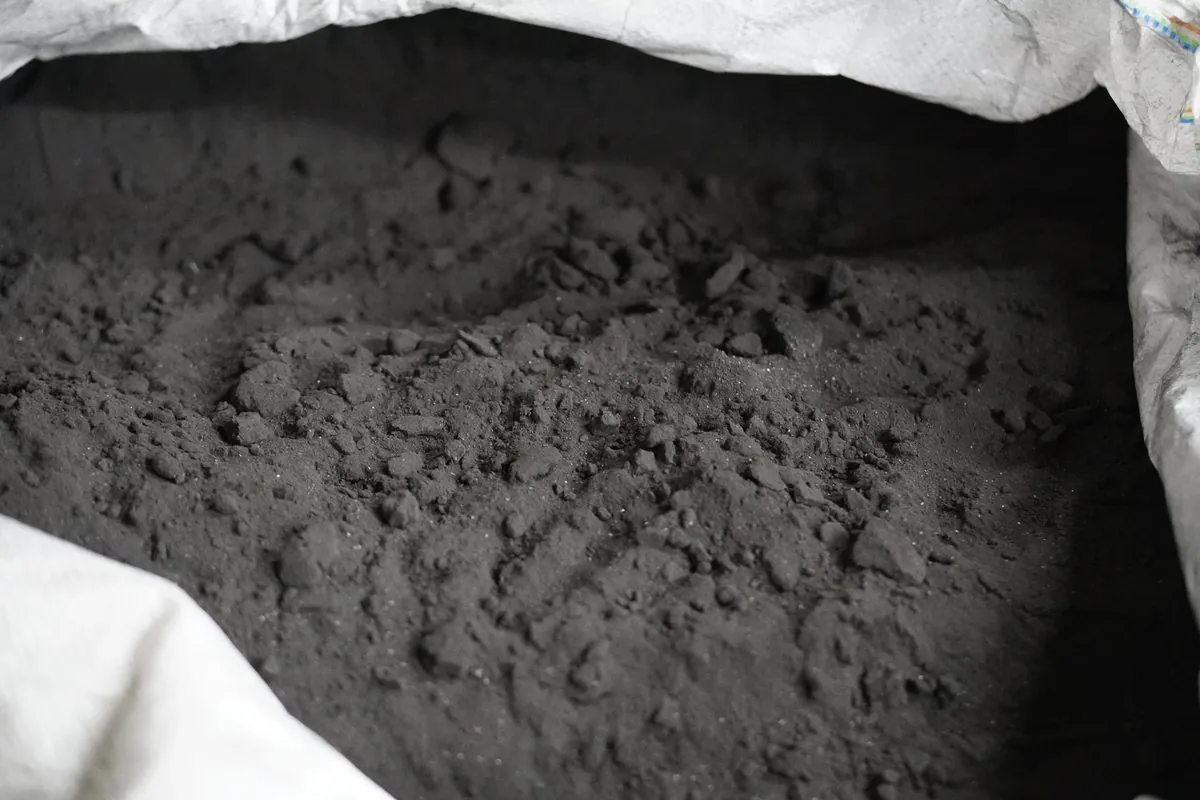
Black mass
Zinc manganese concentrate
The primary output. A fine zinc and manganese bearing concentrate recovered from the cell interior, sold on to downstream refiners and fertiliser feedstock buyers.

Inside the plant
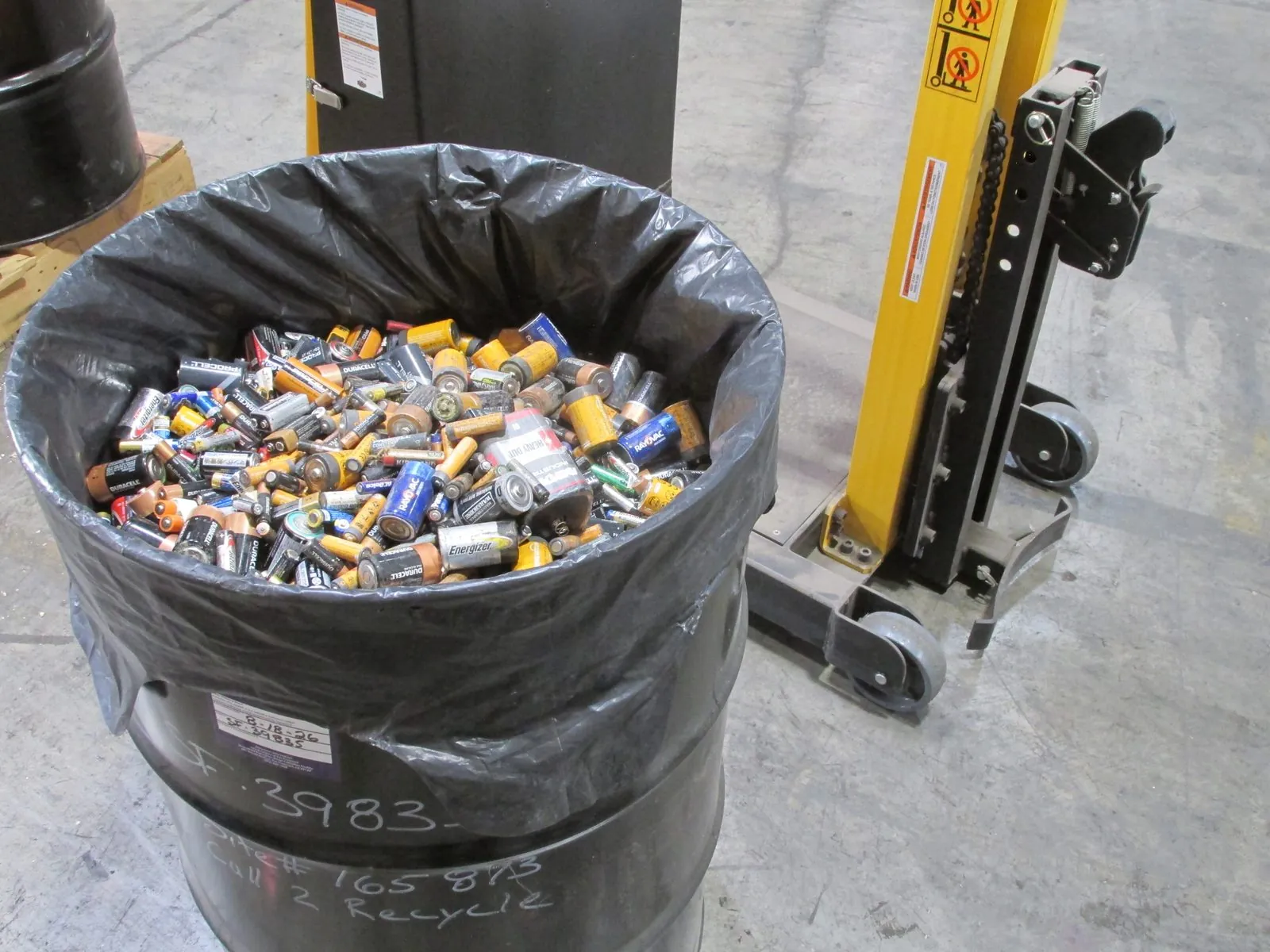
Four stages, all in one building in Phoenix. Here is what happens to a load between the dock and the finished material.
Watch
Receiving, the sorting line and size reduction, in a few seconds.
No sound. The four stages are described in full below.
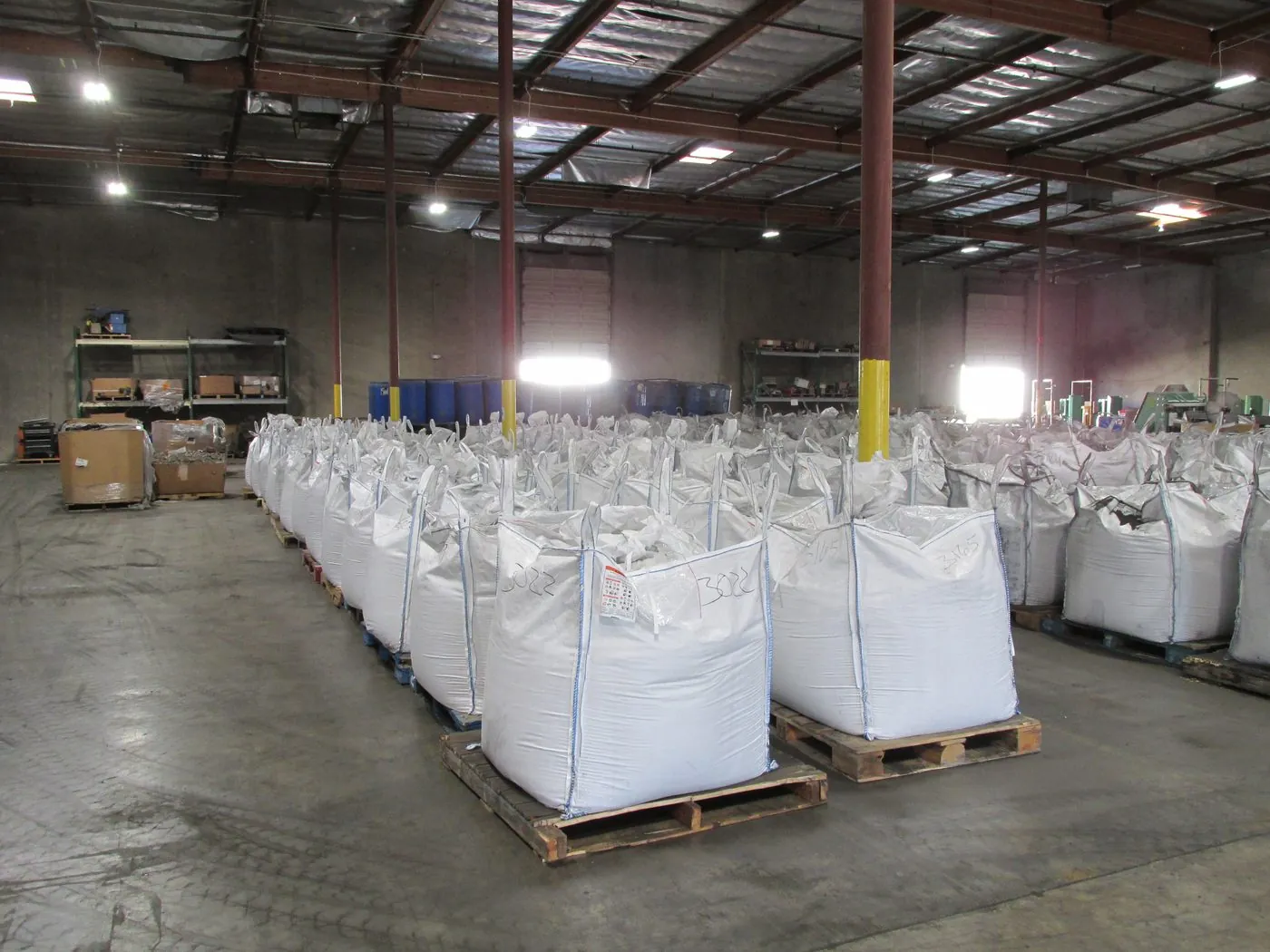
Inbound loads arrive at our Phoenix facility, arranged by the customer through third party freight. Loads are weighed, logged and assigned a receipt record that follows the material through the plant.
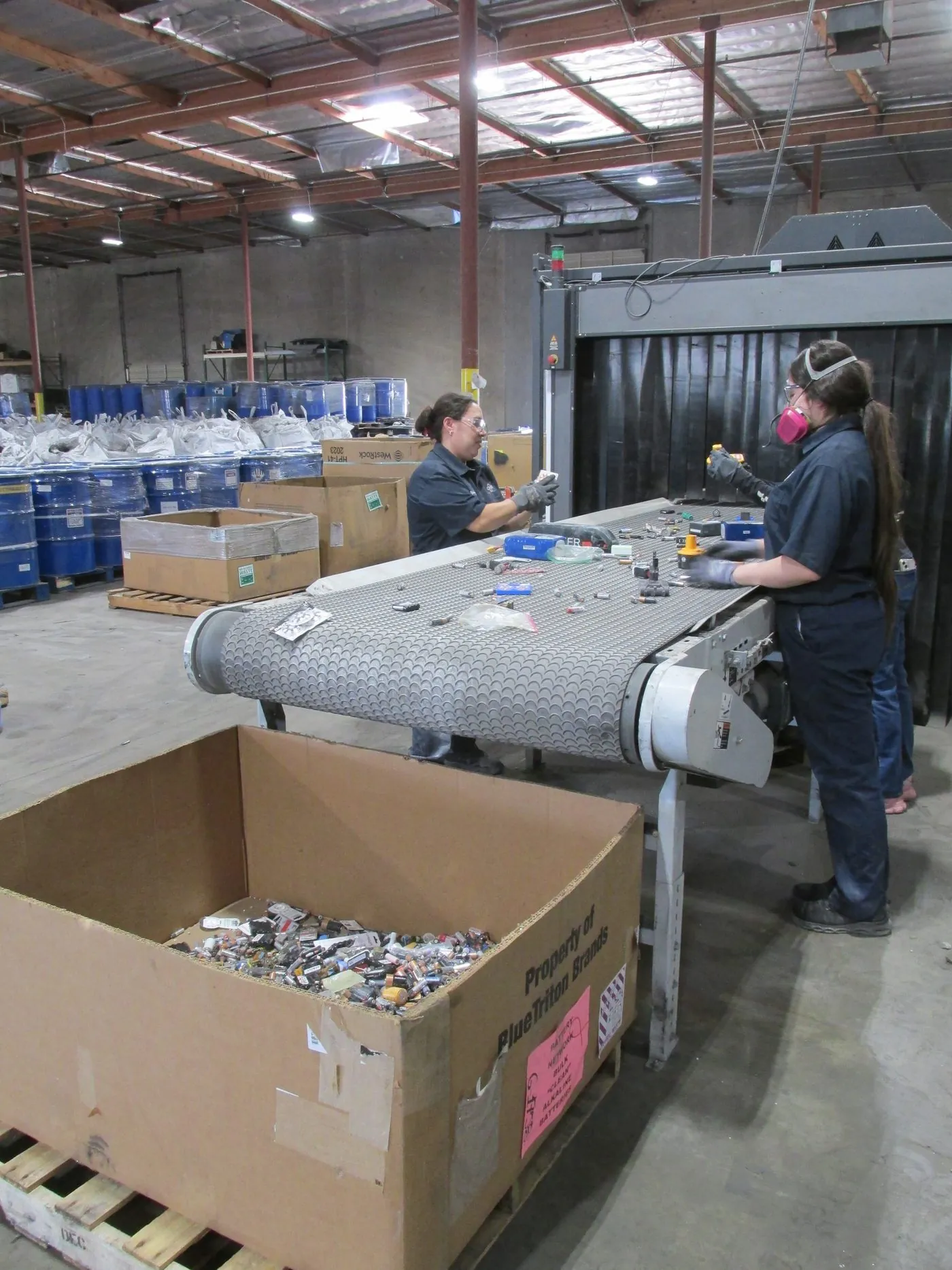
Material is sorted by chemistry, by hand and by an automated x ray based sorting system that identifies cell chemistry as it passes. Anything outside our accepted list is pulled before processing.
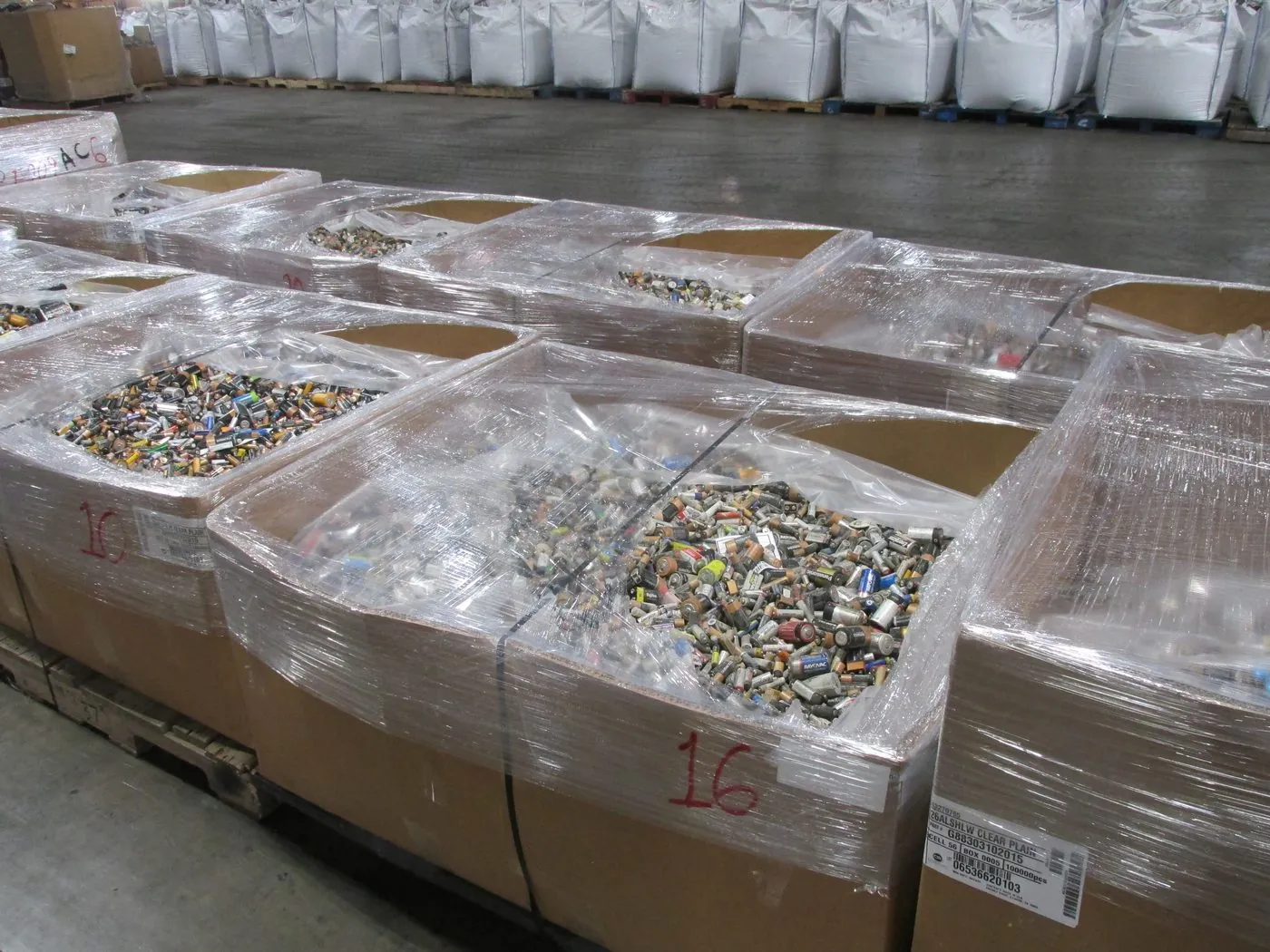
Sorted alkaline cells are mechanically processed for size reduction, opening the cells so the internal chemistry can be liberated from the steel and brass around it.
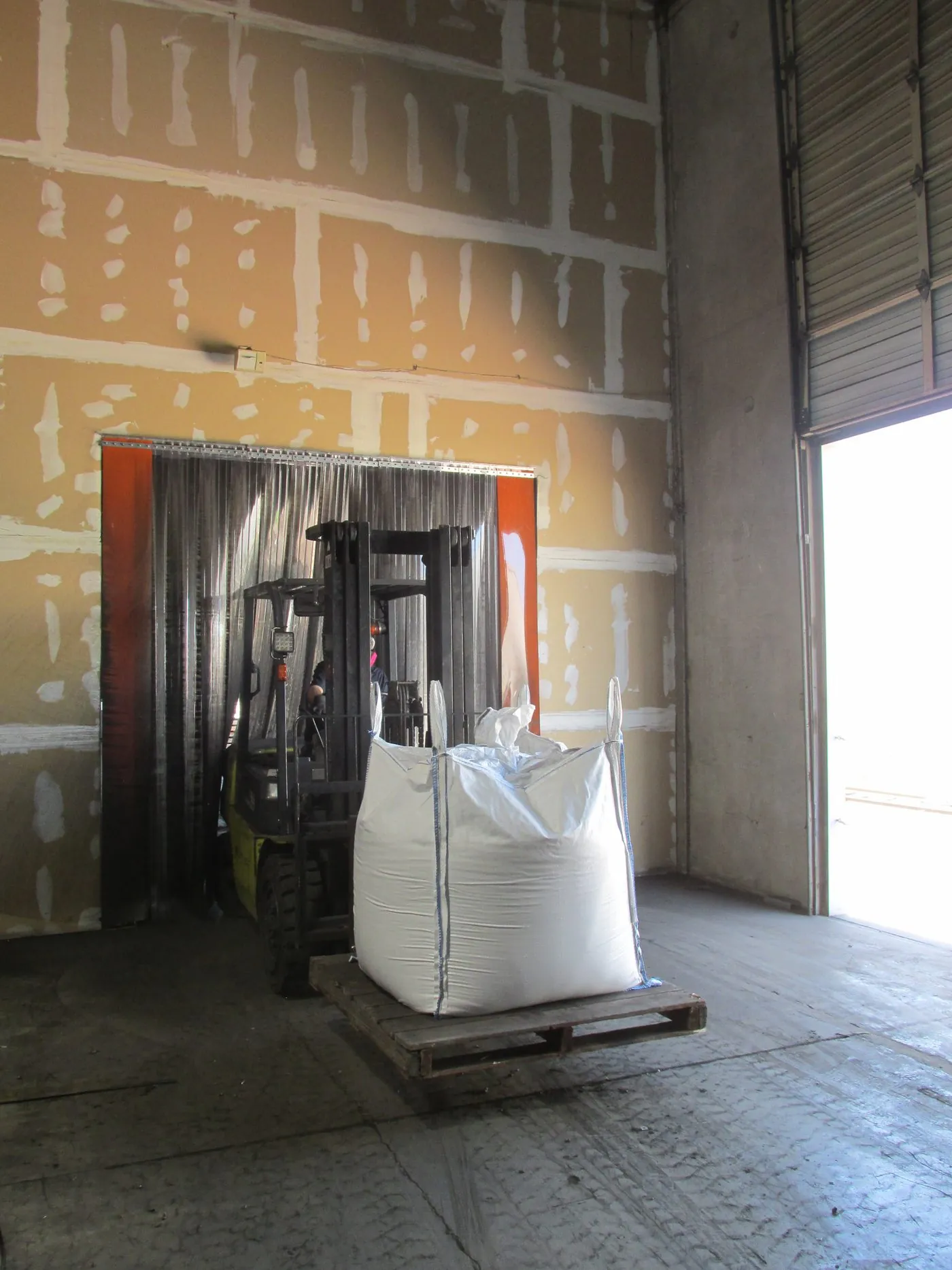
The shredded stream is separated into zinc manganese concentrate, steel, brass and a small residual fraction. Each output is collected, graded and moved on to its buyer.
What comes out
Across a processed load we recover 85 to 95% of incoming material by weight as marketable product.
Black mass
The primary output. A fine zinc and manganese bearing concentrate recovered from the cell interior, sold on to downstream refiners and fertiliser feedstock buyers.
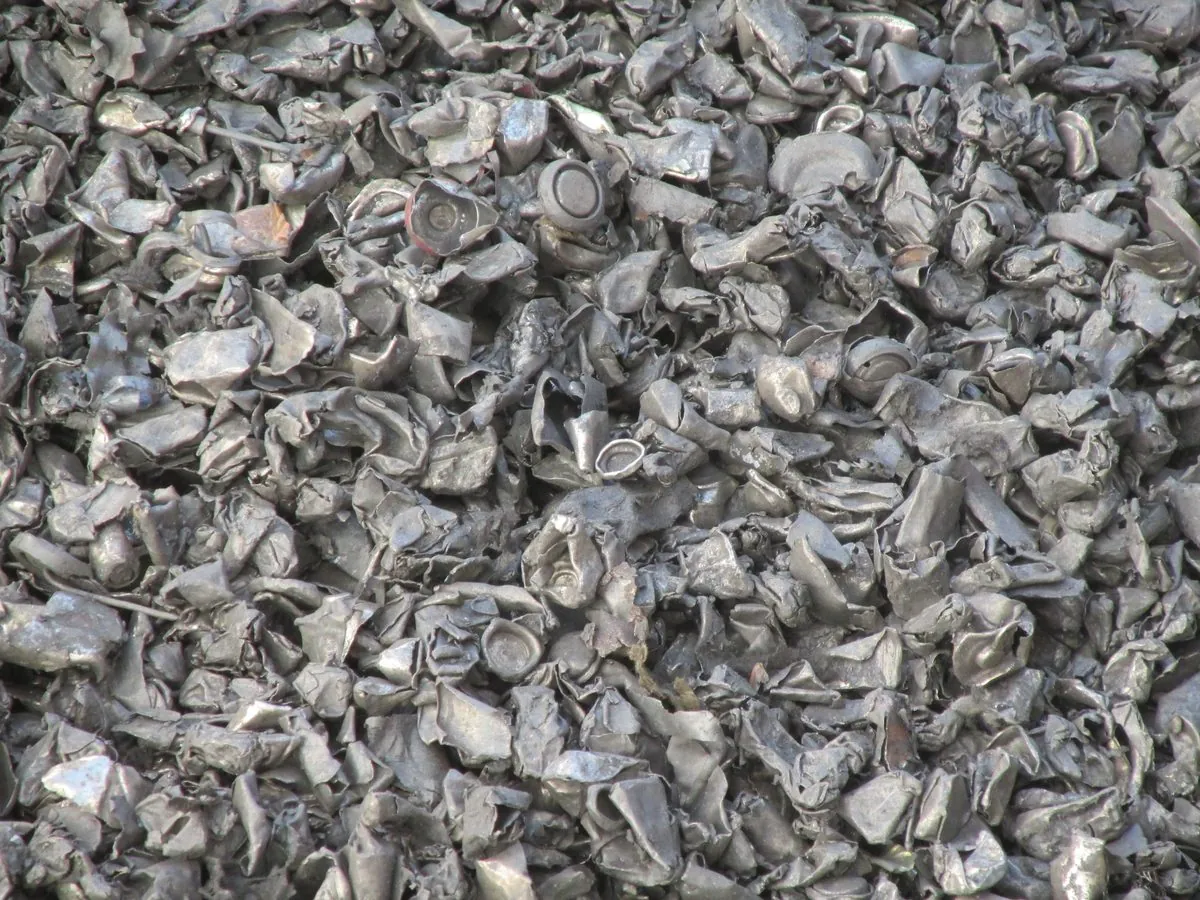
Scrap ferrous
Clean shredded steel separated magnetically from the shredded stream and sold into standard ferrous scrap markets.
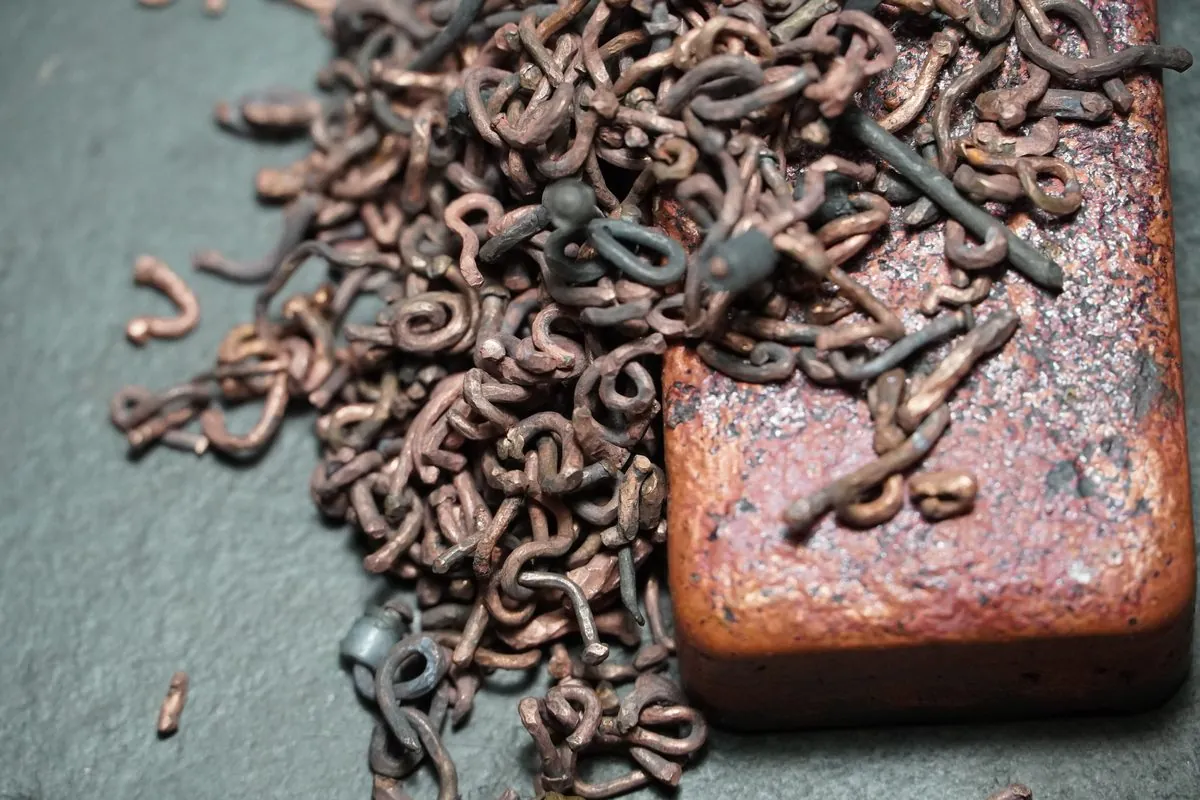
Brass
Non ferrous brass recovered during separation, graded and sold on to metal buyers.
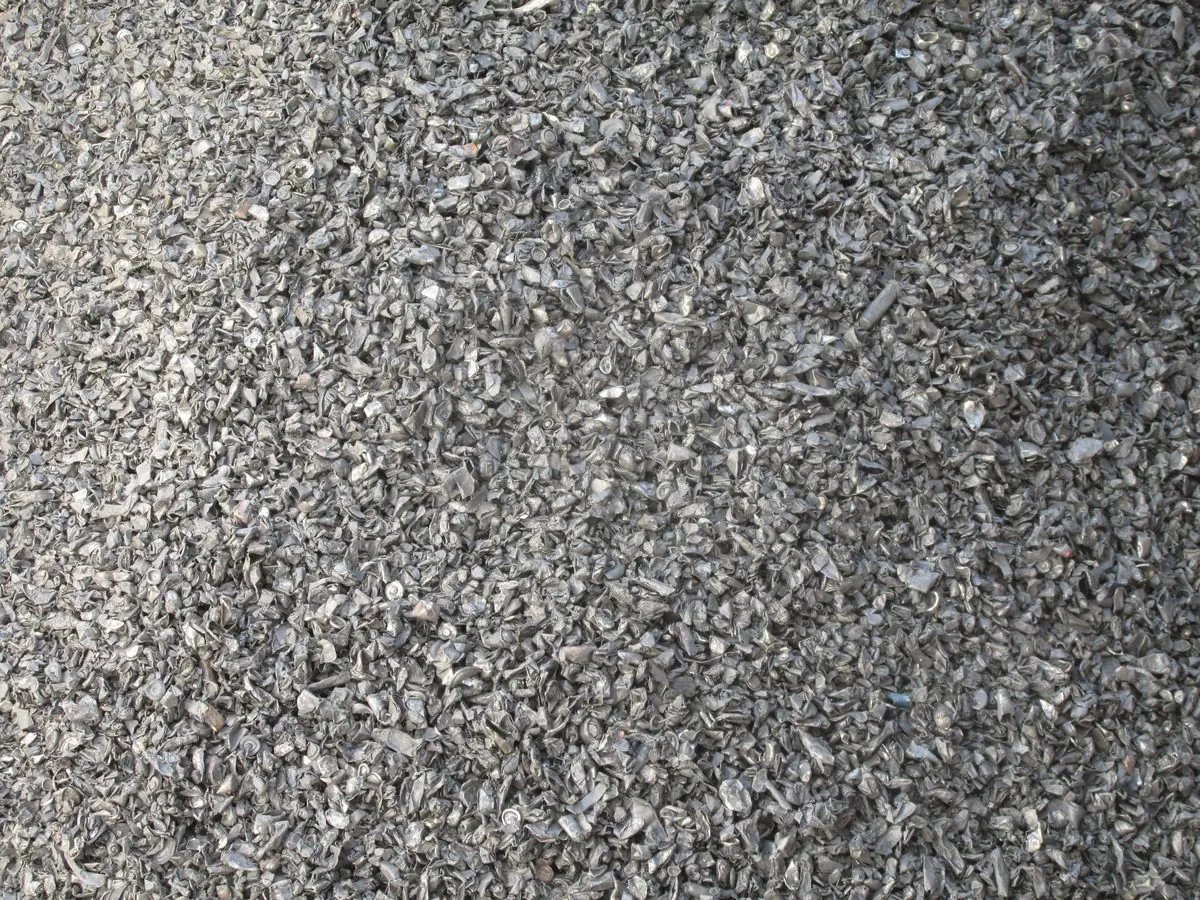
Residual fraction
The small remaining fraction that cannot be recovered as marketable product, managed and disposed of responsibly.
Recovery figures are based on our own mass balance across processed alkaline material. Methodology available on request.
Sorting is the step that protects everything downstream. A single lithium cell in a shredder is a fire, so chemistry sorting is done twice over: manually by hand, and by an automated x ray based system that identifies cell chemistry as material passes through it. Anything outside our accepted list is pulled before it reaches size reduction.
Our process is mechanical. Material is sorted and physically separated rather than dissolved, so we do not introduce hazardous reagents to recover what is inside the cell.
Every load is weighed and logged on arrival and carries a receipt record through the plant. Once processed, we issue a certificate of recycling covering the material received, its weight, how it was processed and where the recovered outputs went.
A certificate of recycling is a record of what happened to your material. It is not a regulatory clearance and does not transfer your obligations as a generator or handler.
Tell us the volume, the chemistry and where it is sitting. We will come back with pricing and freight guidance.