
Skip to content

BlogRecycling process

Black mass, steel and brass: what we recover

By CMR Team·Aug 27, 2026·6 min read

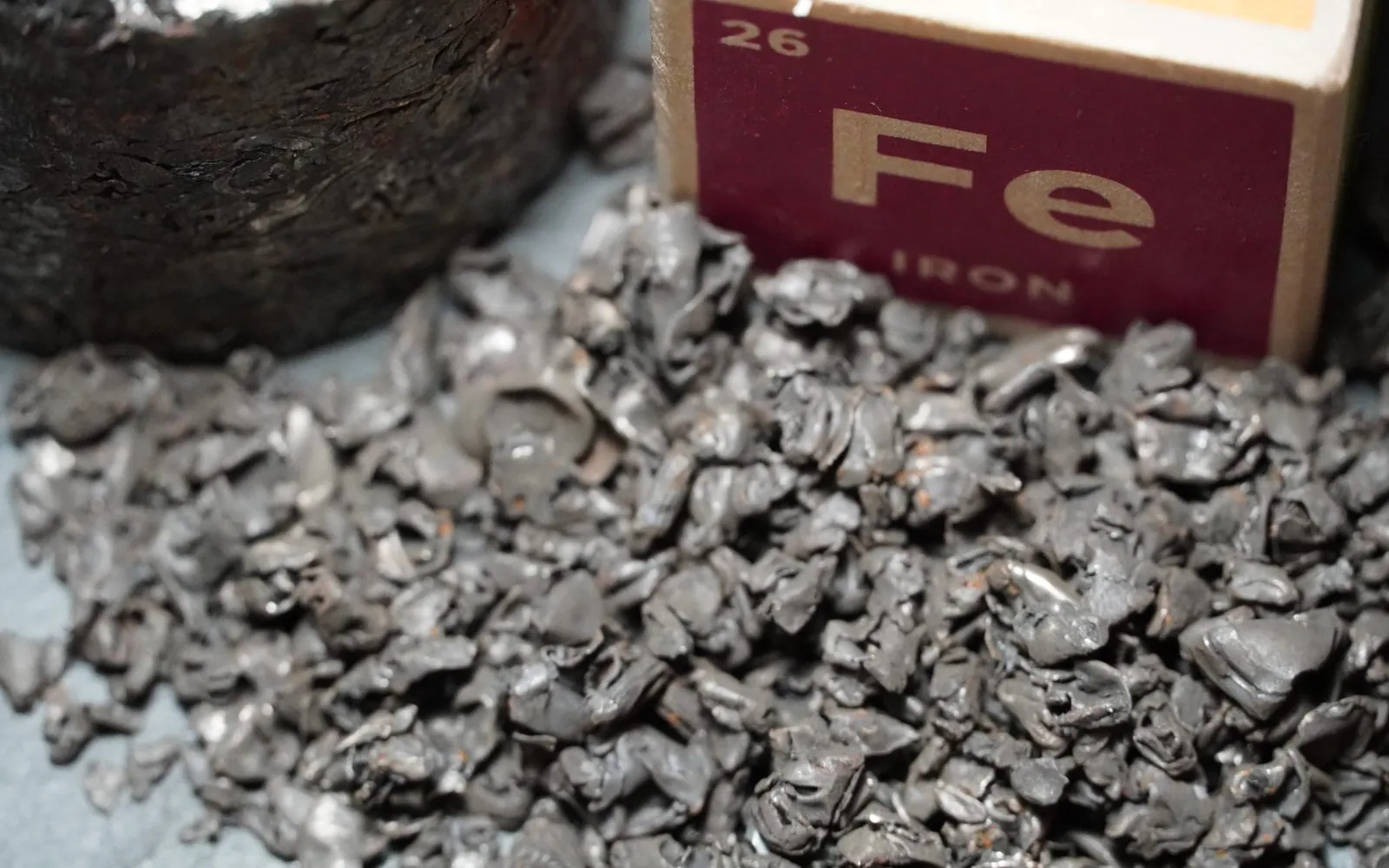
Recovered shredded steel beside a labelled iron sample box

A spent alkaline cell is a steel can, a brass current collector, and a zinc and manganese chemistry in the middle. Separation turns those back into three saleable streams, plus a small fraction that cannot be recovered.

Zinc manganese concentrate

The primary output, often called black mass. A fine zinc and manganese bearing concentrate recovered from the cell interior, sold on to downstream refiners and fertiliser feedstock buyers.

Scrap ferrous

Clean shredded steel from the cans and casings, separated magnetically from the shredded stream and sold into standard ferrous scrap markets.

Brass

Non ferrous brass current collectors recovered during separation, graded and sold on to metal buyers.

The residual fraction

A small remaining fraction cannot be recovered as marketable product. It is managed and disposed of responsibly, and it is the reason we quote a range rather than a single recovery figure.

85 to 95% by weight, across a processed load. We will not put a higher number in writing than we can stand behind.

Want the detail for your material?

Tell us the volume and the chemistry and we will walk you through what comes out the other end.

Request a Bulk Quote

Topics

  • Recycling process
  • Recovered materials

Related articles

View all articles

Have a load of spent alkaline batteries?

Tell us the volume, the chemistry and where it is sitting. We will come back with pricing and freight guidance.